Following a €500 million fine in April, the European Commission has sent another strong signal: Apple must fully comply with the Digital Markets Act (DMA) requirements within 30 days.
Failure to achieve compliance could trigger the EU's "periodic penalty payment" mechanism, with fines potentially calculated daily, reaching up to 5% of the company's average daily global turnover (approx. $50 million per day).
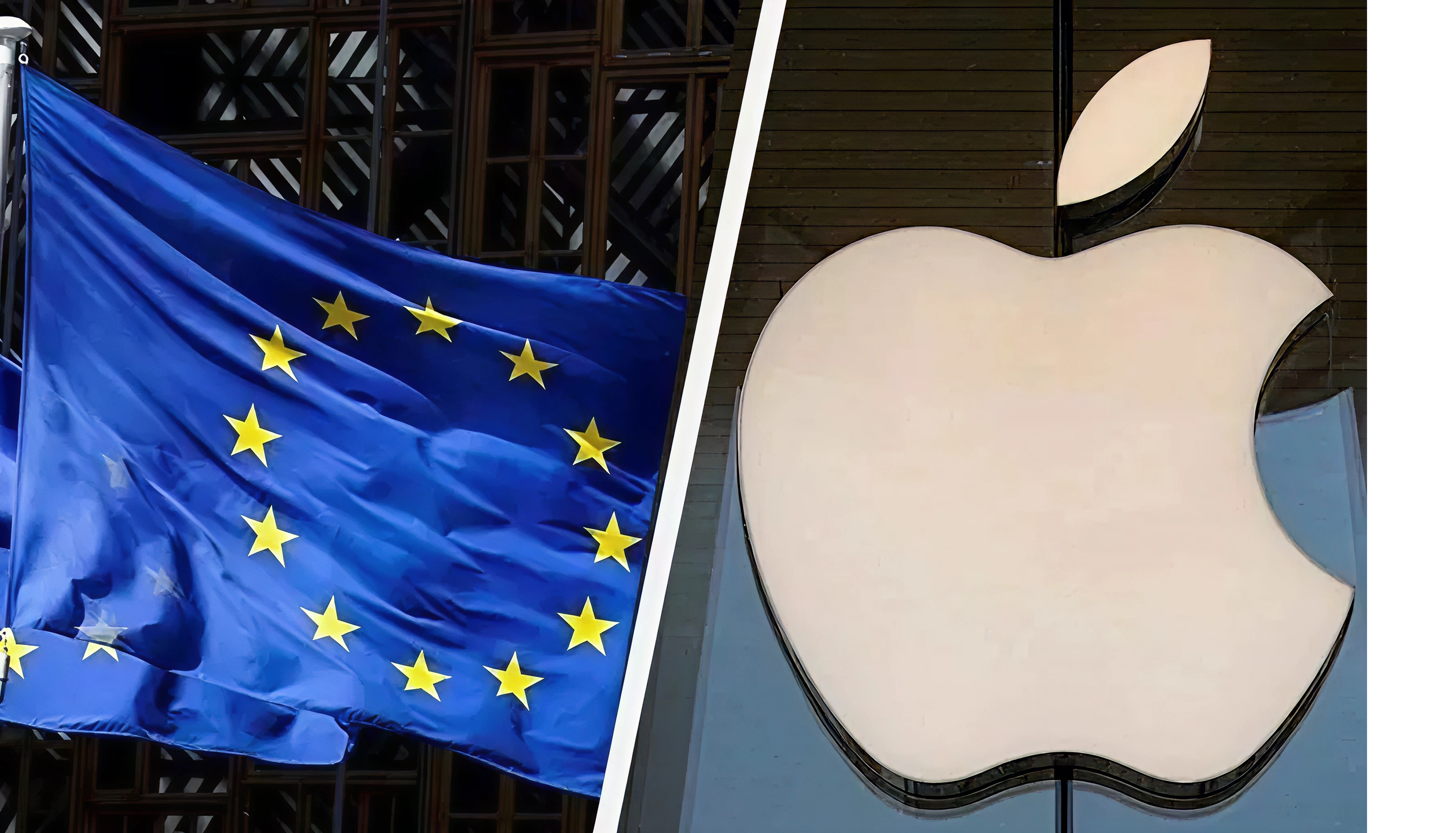
This regulatory dynamic not only marks a critical stage in the game between Apple and EU regulators but has also triggered high alert among global developers, payment service providers, and other tech giants.
At the core of the DMA is a mandate that platforms must not restrict developers from steering users to external payment methods, directly challenging Apple's long-reliant In-App Purchase (IAP) system.
1. The Walled Garden Crumbles: App Store Monopoly Broken by Law
For years, Apple has maintained a highly closed application payment system via the App Store. Its basic logic included:
-
Mandatory IAP: All digital goods must use Apple In-App Purchase.
-
Anti-Steering Provisions: Developers were forbidden from guiding users to external payments.
-
The "Apple Tax": A 15%-30% commission fee on all transactions.
-
Technical Blockades: External payment interfaces could not be legally embedded or linked.
This "full-process payment control" strategy ensured Apple's absolute control over transaction paths and supported its massive service revenue growth (surpassing $85 billion in 2023).
The core of the EU's penalty is to break this "closed-loop control." Regulators demand that Apple:
-
Allow developers to clearly steer users to external payment channels.
-
Remove technical restrictions or misleading warnings on external links.
-
Prohibit "new types of fees" that indirectly charge for payment services.
-
Ensure the accessibility and consistency of external payment processes.
-
Essentially, this is a systemic loosening of Apple's control over payments.
2. Consequences of Non-Compliance: Fines and Breakups
Although Apple claims to have made adjustments, EU regulators are still investigating, citing "formal compliance but substantive evasion." If found non-compliant, Apple faces severe consequences:
Continuous Daily Fines
Under DMA Article 30, platforms failing to meet obligations can be fined 10% of global annual turnover (rising to 20% for repeat offences). Based on 2023 revenue, this could reach $380 billion. Furthermore, the "periodic penalty payments" (daily fines) act as a continuous punishment mechanism.
Forced Structural Separation
DMA Article 18 authorises the EU to take structural measures in cases of "systemic non-compliance," including:
-
Demanding the separation of the App Store from the payment business.
-
Prohibiting the bundling of payment functions with the content ecosystem.
-
Restricting default priorities (e.g., Apple Pay as the default).
Developer Lawsuits & Brand Risk
If deemed a monopoly, Apple could face class-action lawsuits from developers (like Spotify and Epic Games) and payment providers, further damaging its developer relations and brand image.
3. The Rise of Third-Party Payment Providers (PSPs)
One of the biggest beneficiaries of this policy shift is the Third-Party Payment Service Provider (PSP).
Long restricted by platform rules, PSPs can now legally enter the App ecosystem. Developers can guide users to complete payments via embedded H5 pages or official websites, giving users real "Payment Choice" for the first time.
This opens a growth window for platforms with cross-platform capabilities and global compliance solutions.
Waffo (waffo.com), for example, specialises in providing localised payment services for global developers. Covering emerging markets in APAC, LATAM, the Middle East, and Africa, Waffo is helping developers build their own payment closed loops as the Apple ecosystem opens up. This is particularly effective for subscription-based and value-added service Apps, reducing reliance on platform channels.
4. Opportunities and Challenges for Global Developers
While this starts in the EU, the ripple effect is global:
Major Developers: Building Proprietary Payment Systems
Giants like Spotify and Netflix can now steer users to their own sites to complete payments, bypassing Apple's commission and improving revenue efficiency. For them, building a complete "Payment Experience + Membership System" is key to revenue optimisation.
SMB Developers: Relying on Hosted Payment Services
Small and medium businesses (SMBs) often lack the resources to build independent payment systems. Choosing a platform like Waffo provides an all-in-one solution including payment integration, risk control, and localised support.
Waffo offers one-stop collection, distribution, subscription management, and settlement reporting, helping SMB teams quickly launch external payment paths while meeting regulatory requirements.
Chinese Export Developers: Compliance vs. Cost
For Chinese developers going global, the signal is clear: External payments are becoming a compliant option. Waffo is strengthening its KYC, AML (Anti-Money Laundering), and data compliance standards in the EU, offering services like local account opening and tax assistance to shorten the go-to-market cycle.
5. Conclusion: The Start of Structural Change
Apple's strategy adjustment still holds some "grey areas" (e.g., scare screens, Core Technology Fees), meaning developers must carefully evaluate the cost-benefit ratio.
However, we stand at the starting point of a structural transformation.
-
The platform monopoly on payment rails is breaking.
-
Developers are regaining "Payment Decision Power."
-
Third-party providers are shifting from tools to strategic partners.
Payment platforms like Waffo play a crucial role in this shift—connecting platforms and developers with flexible, compliant solutions. Apple's fine is not the end, but the beginning of a long battle for payment sovereignty.