The "Apple Tax" that has long plagued developers has reached a critical turning point: Apple's App Store has officially opened up to third-party payments in the United States.
On April 30, 2025, US Judge Yvonne Rogers delivered a surprising verdict in the years-long Apple vs. Epic Games lawsuit, shaking the entire mobile software industry.
To comply with the court ruling, on May 2, 2025, Apple updated its App Store Review Guidelines for the US region and notified developers via email:
Apps in the US market are now free to include buttons, external links, or other calls to action that direct users to third-party payment channels, without requiring special permission.
Simultaneously, Apple removed the provision prohibiting developers from encouraging users to use non-App Store payment methods (the "Anti-Steering" rule).
The ruling has triggered immediate action from industry giants.
Part 1: New Payment Practices by Spotify, Patreon & Epic
1. Spotify: The First to Break the Apple Tax
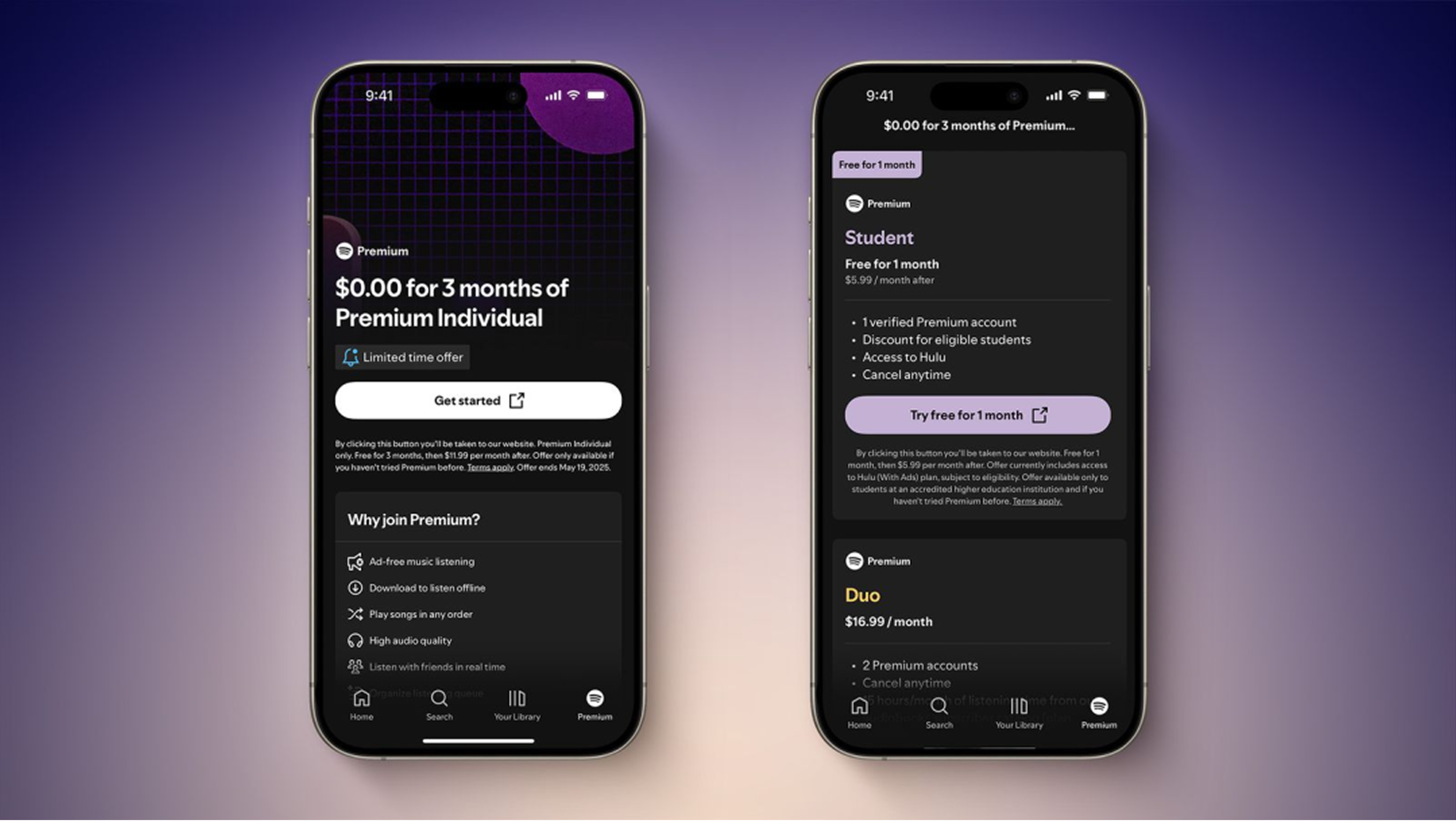
Less than 24 hours after the ruling, Spotify moved swiftly, launching a new version of its app in the US. Apple approved the update the very next day.
Highlights of the Update:
-
Pricing Transparency: Users can clearly see specific prices for different subscription plans (Individual, Family, Student) directly within the app.
-
Direct External Links: A crucial update allows users to click a link to jump to the Spotify website to complete payment, completely bypassing Apple's 30% commission.
-
Marketing Freedom: Spotify regained the right to push limited-time offers directly to US users—a privilege previously banned by Apple—opening new opportunities for platform marketing.
Spotify also hinted at future features, such as easier purchasing of audiobooks, and previewed new in-app promotional methods to drive traffic to its website. This marks the official start of a new round of "Link Freedom."
Spotify's rapid response is just the beginning of a structural change sweeping the developer ecosystem, injecting new momentum into the digital content market.
2. Patreon: Pioneering External Payments for Creators
Patreon, the crowdfunding platform supporting global artists and creators, optimised its iOS app immediately after the May 2025 ruling.
It now allows users to jump from the app to the official website to complete subscriptions and payments, bypassing Apple's 15%-30% commission.
Strategic Impact:
-
Revenue Model: As a platform highly dependent on subscription revenue, this move is significant. Bypassing the Apple Tax saves immense costs for creators, directly boosting their earnings.
-
Creator Ecology: Patreon has long advocated for maximising creator income. This update aligns perfectly with the ruling's principles of price transparency and external link freedom.
3. Epic Games: The Instigator and Innovator
As the key player who triggered the entire lawsuit, Epic Games CEO Tim Sweeney tweeted his celebration immediately after the ruling.
Epic's Next Moves:
-
Fortnite's Return: Plans to bring Fortnite back to the US App Store.
-
Direct Web Payments: Future versions will enable direct website payment mechanisms (e.g., buying V-Bucks) and roll this out to other apps.
-
Epic Games Store on Web: Epic announced it will open a web store function for its own Epic Games Store, allowing developers to launch apps independently with zero platform commission, further breaking Apple's "payment barrier."
Leo Rees, Epic's Director of Global Public Policy, stated: "This change releases unprecedented innovation potential. It's not just about 'links' or 'commission rates'; it will spark diverse business models like bundling and exclusive offers."
Part 2: How Global Developers Should Respond
1. Monitor Policy & Prepare for Compliance
While the window is open, keep a close watch on Apple's appeal progress. The current openness could be reversed if Apple wins an appeal. Ensure your business is ready for compliance assessment and risk deployment at all times.
2. Build a Web Store Immediately (DTC)
Learning from the US experience, developers should invest resources to build a convenient and secure Web Store. This is not only effective for avoiding platform commissions but is also a critical path to increasing gross margin.
3. Choose a Reliable Payment Partner like Waffo
To navigate this new landscape, you need a robust partner. Waffo offers unique advantages for global market expansion:
-
Technical Flexibility: Supports high concurrency and rapid deployment for diverse business models.
-
Global Compliance: Holds payment licenses in multiple regions, covering Southeast Asia, LATAM, and the Middle East.
-
Diverse Payment Methods: Supports credit cards, e-wallets, and local bank transfers.
-
One-Stop Service: From integration to operations, Waffo provides professional technical and customer support.
Conclusion: The Window is Open
Apple's opening of third-party payments is not just a business model restructuring; it is a key milestone in digital platform regulation. For developers, this is a golden opportunity to challenge monopolies, boost profits, and optimise user experience.
However, freedom comes with risk—payment security, cross-platform compatibility, and tax compliance remain challenges. Choosing the right technology partner like Waffo is key to winning the next round of global competition.