Japan Payment Landscape 2025: Navigating the "Cashless Vision" in a Cash-First Society
A comprehensive guide to Japan's payment landscape in 2025. From Cash and Konbini to PayPay and Rakuten Pay, discover how to navigate the "Cashless Vision" market with Waffo.
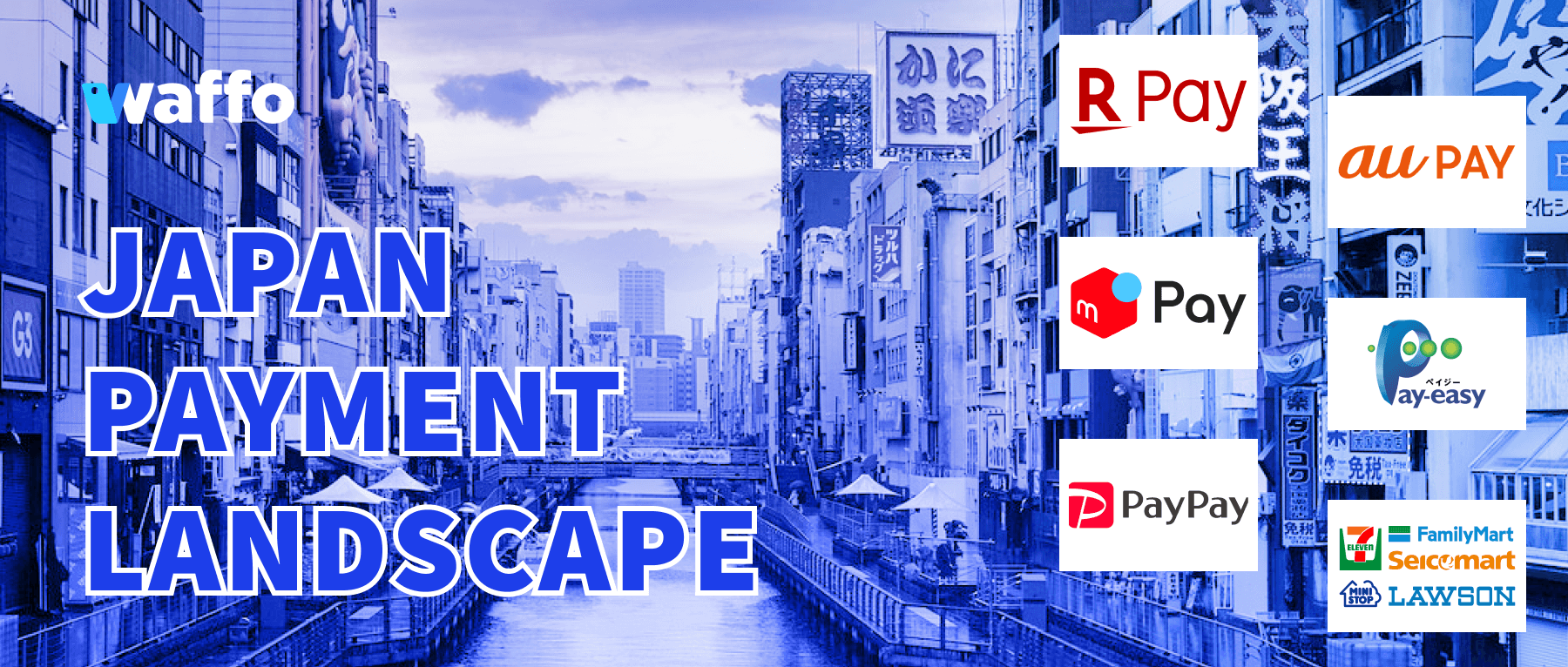
Japan, the world's third-largest economy, is a land of contrasts. While it boasts cutting-edge robotics and semiconductors, its payment landscape remains deeply rooted in tradition.
-
Resource-Poor: 90% of resources are imported.
-
Slow Recovery: The economy is "recovering slowly," driven by personal consumption.
-
Digital Paradox: A massive digital economy scale but relatively slow development due to privacy concerns.
-
Cash Culture: Despite the "Cashless Vision" push, 60% of transactions are still in cash.
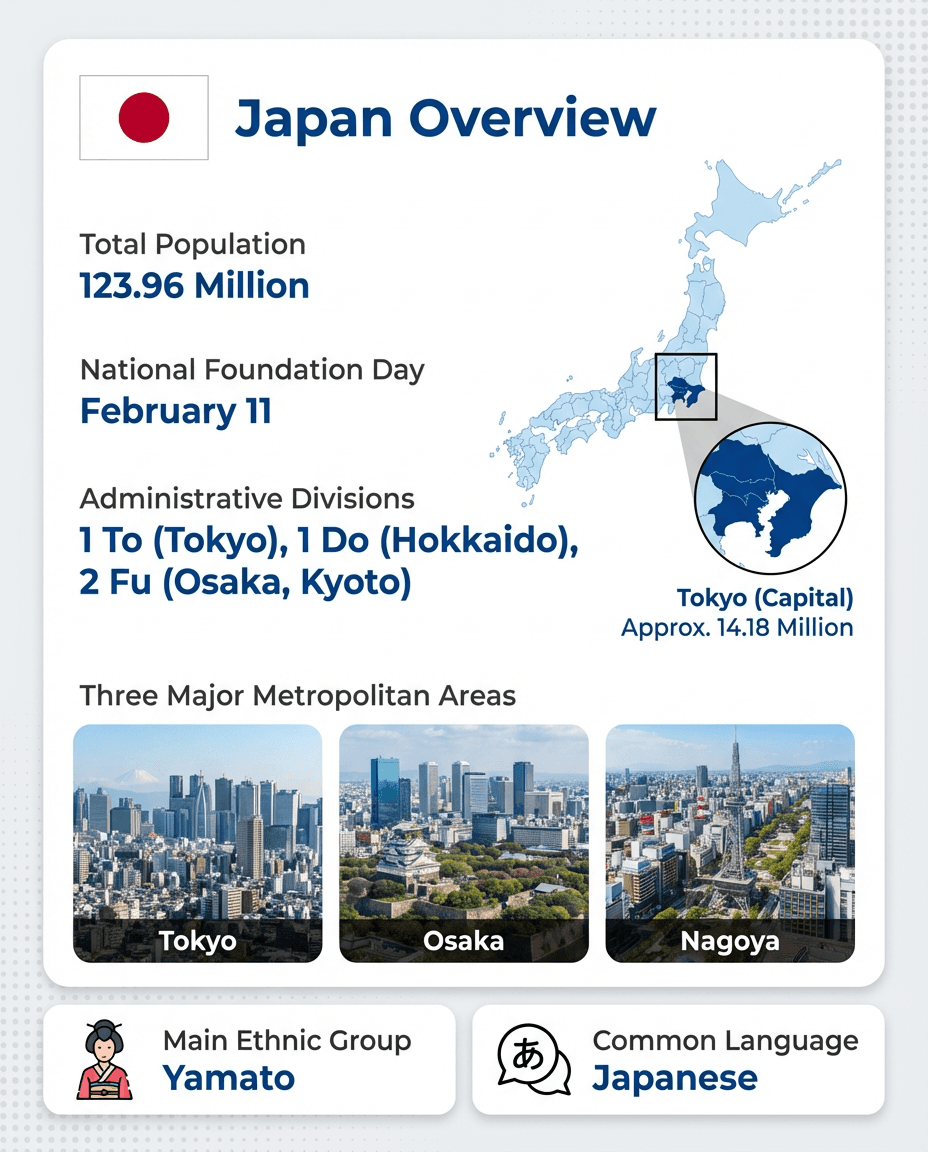
01. Economic Overview: The Giant Awakens
Basic Facts
Japan covers 378,000 sq km and is an archipelago nation.
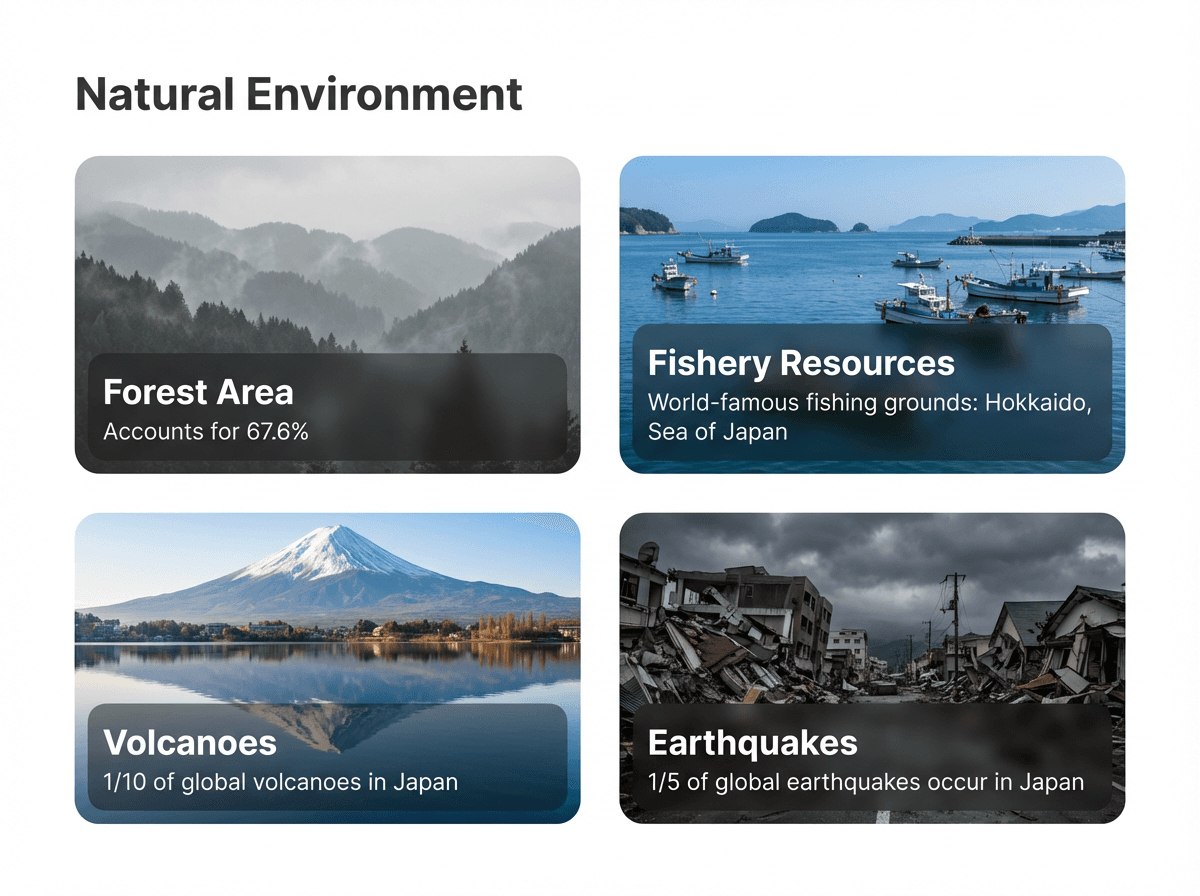
Economic Vitality
As a developed economy, Japan's GDP grew by 1.9% in 2023, reaching ¥559 trillion. It remains the world's largest creditor nation for 32 consecutive years. Key industries include semiconductors, automobiles, robotics, and shipbuilding.
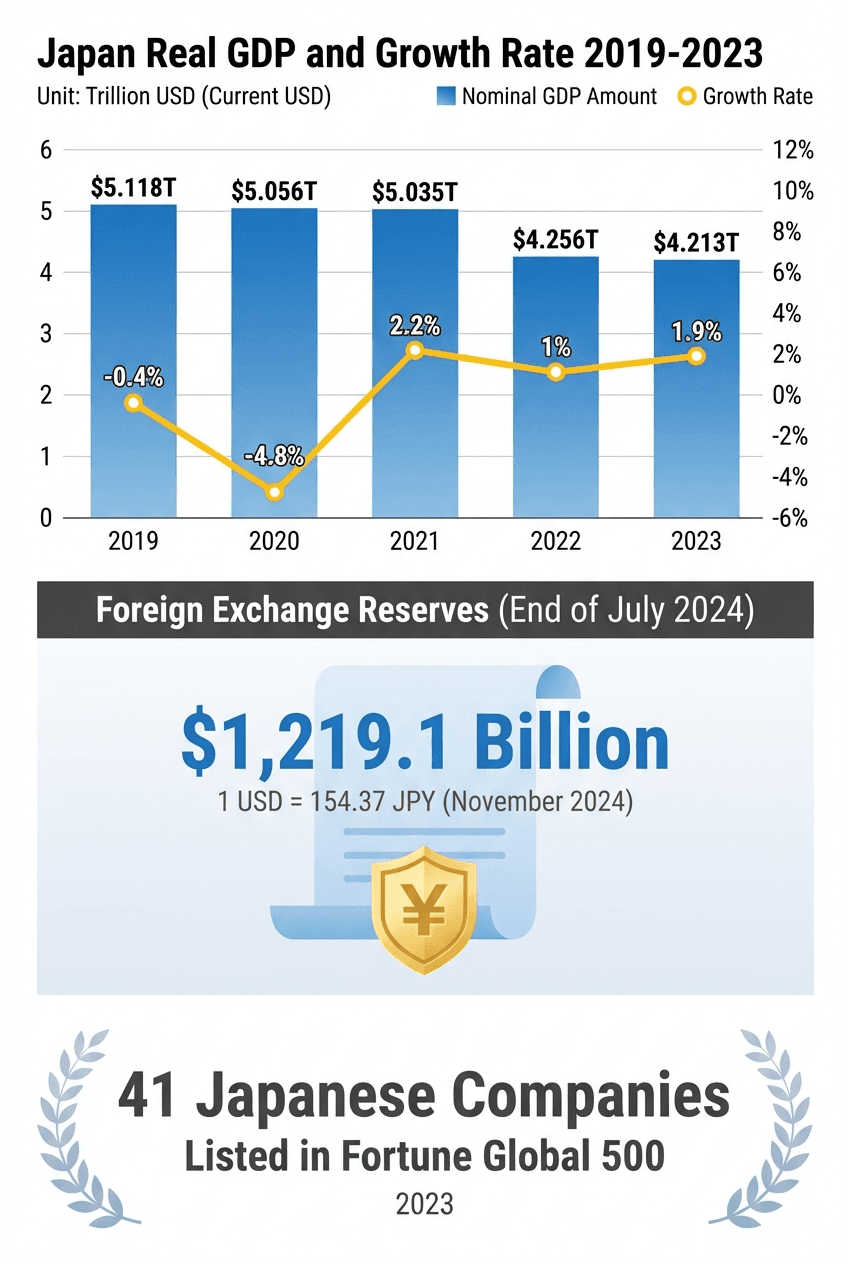
Trade Hub
In 2023, total trade reached ¥211.1 trillion. Japan maintains trade relations with ~200 countries, making it a pivotal market for global commerce.
02. The Digital Economy & Infrastructure
Infrastructure
Japan's mobile network is highly advanced. Smartphone penetration soared from 4% in 2010 to 96.3% in 2023.
E-commerce: Steady Growth
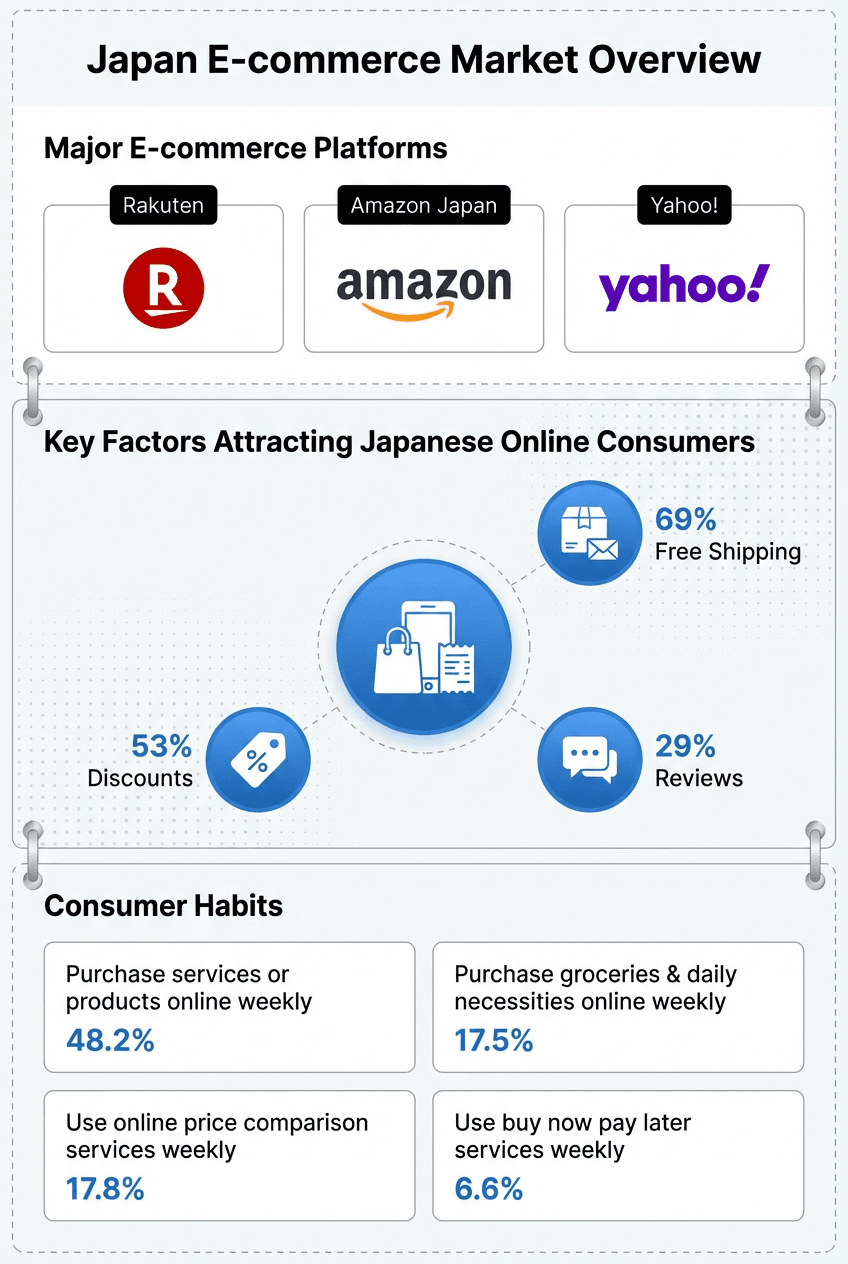
Japan's cross-border e-commerce market ranks 3rd globally, projected to reach $130 million by 2023. While online shopping preference lags behind other developed nations, post-pandemic consumer behaviour is shifting rapidly towards digital channels.
03. The Payment Battlefield: Cash vs. Wallets
The Japanese government aims to reach a 40% cashless payment ratio by 2025, with a long-term goal of 80%. However, the market is fragmented.
1. Cash & Konbini (Convenience Store Payment)
Due to privacy concerns, cash is king (60% share). For online purchases, Konbini Payment is crucial.
-
How it works: Users order online and pay cash at a convenience store counter.
-
Key Players: 7-Eleven (21,000+ stores), FamilyMart (16,000+ stores), Lawson, Ministop, Seicomart, and Daily Yamazaki.
-
Why it matters: It is the preferred method for young people and the unbanked.
2. Credit Cards
While cash dominates small transactions, credit cards are standard for larger purchases and online shopping.
- Key Brands: JCB (Japan's local giant), Visa, Mastercard, AMEX.
3. E-Wallets (The "Pay Wars")
Unlike the duopoly in China, Japan's wallet market is a battleground.
-
PayPay: The leader with 57 million users and 47.5% penetration. Backed by SoftBank/Yahoo, it supports QR payments at 3.2 million+ locations.
-
Rakuten Pay (R Pay): Dominates the Rakuten ecosystem. Popular for its points system and ease of use (no credit card required). Holds 25.8% market share.
-
au PAY: Leveraging the massive user base of telecom giant KDDI. Users pay via smartphone and use Ponta points immediately.
-
Merpay: The payment arm of Mercari (C2C marketplace). Accepted at 1.7 million locations.
4. Bank Transfers (Pay-easy)
Over 10% of online shoppers prefer bank transfers.
- Pay-easy: A leading platform integrating multiple banks and ATMs for high-value transactions.
Conclusion: How to Win in Japan? Entering Japan requires respecting its "Cash Culture" while embracing the "Cashless Future."
-
You must offer Konbini payments to reach the mass market.
-
You need Credit Card support (especially JCB) for high-value goods.
-
You cannot ignore PayPay and Rakuten Pay for mobile-first users.
Waffo bridges this gap.
We integrate Konbini, Bank Transfers, Credit Cards, and E-Wallets into a single platform, ensuring your business is ready for every Japanese consumer, whether they pay with a smartphone or a 1,000-yen bill.
Was this article helpful?